In this week’s Meteo Monday, we are taking a look at blizzards! Blizzards are very impactful winter storms, but there are a lot of misconceptions as to what a blizzard actually is. Many people think that any big snowstorm is a blizzard. This is not true. To be a blizzard, a snowstorm has to have blowing snow and reduced visibility. You can have a blizzard with just one to two inches of snowfall accumulation.
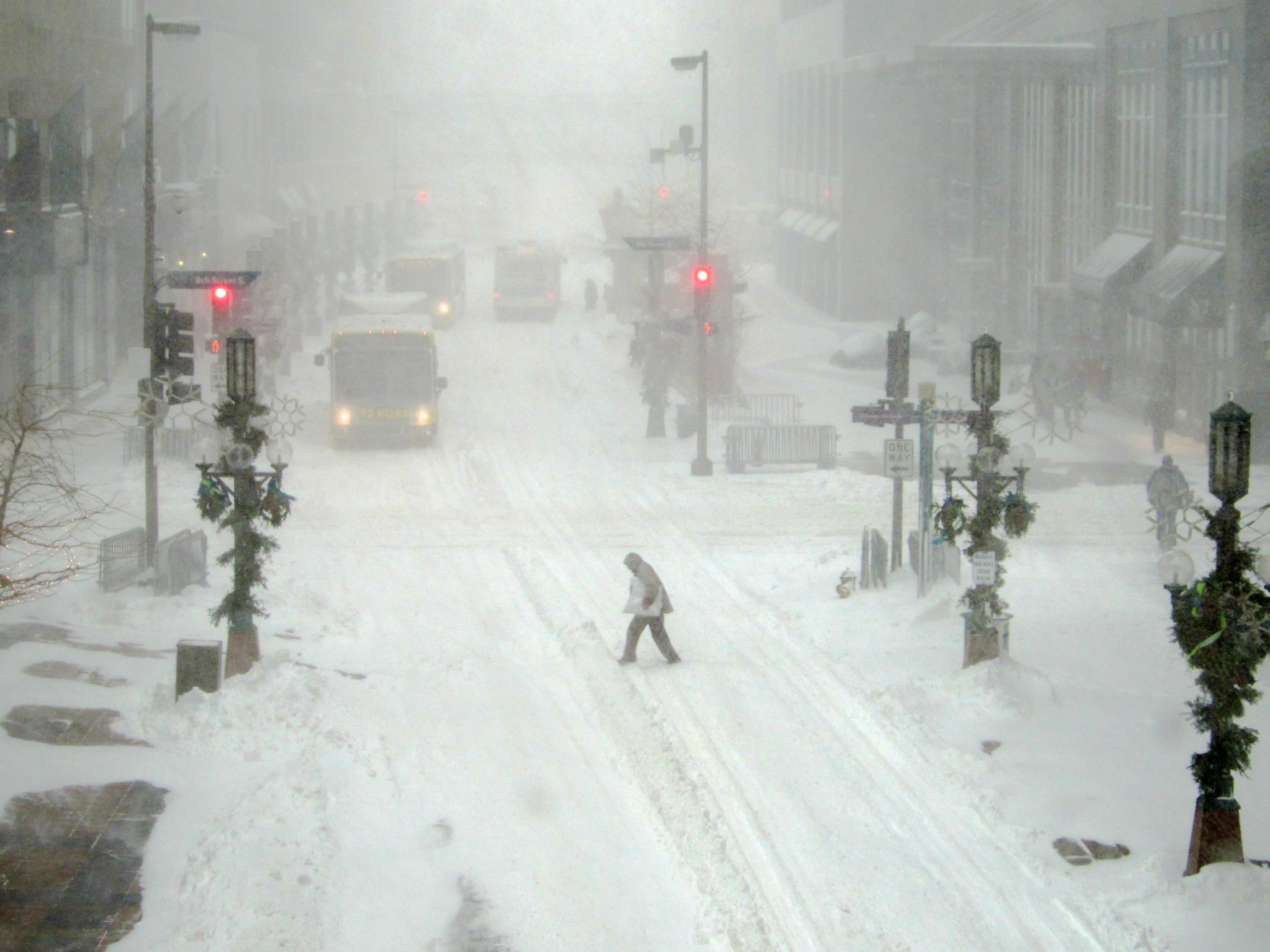
Per the American Meteorological Society (AMS) for a snowstorm to be classified as a blizzard it must reach each of these criteria for three consecutive hours or longer:
- Sustained wind or frequent gusts of at least 35 mph or higher
- Falling and/or blowing snow that reduces visibility to less than a quarter of a mile (0.25 miles).
Past criteria included low temperatures of 20℉ or colder, but this is no longer required.
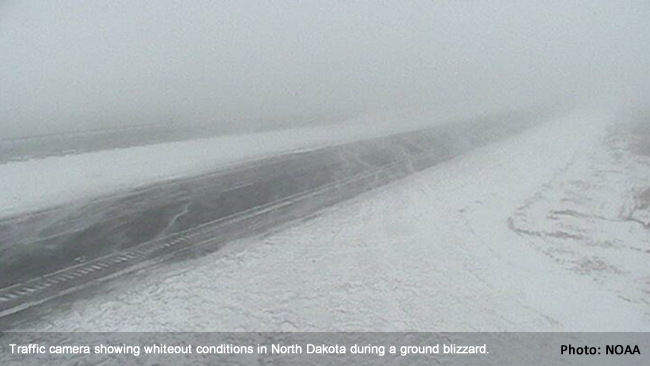
There is also what is known as a ground blizzard. A ground blizzard is caused when an Artic cold front accompanied by strong winds moves across an area that has freshly fallen snow. The wind whips the snow up creating a whiteout. One of the worst blizzards in US history was a ground blizzard on January 12, 1888. Per the NWS: “One of the most infamous ground blizzards was the Children’s Blizzard of 1888, which killed an estimated 235 people in the Great Plains. This ground blizzard was extremely dangerous because it was preceded by unseasonably warm air, which caused people to let their guard down. Many people ventured outside without proper winter clothing, but the relatively warm weather did not last long.”
Some notable blizzards include;
- The 1950 Great Appalachian Storm: You can read our retrospective here.
- The “Great Blizzard of 1978”: Also called the “Cleveland Superbomb”, this blizzard produced wind gusts over 100 mph!
- The 1993 “Storm of the Century”: This storm brought heavy snow and blizzard conditions from Alabama northward into New England.
- The Blizzard of 1996: Paralyzed parts of the Eastern U.S. with over four feet of snow.
- “Snowmageddon” in 2010: Massive snow and blizzard conditions occurred across parts of the Mid-Atlantic. Dulles Airport had its greatest snow on record, 32.4 inches.
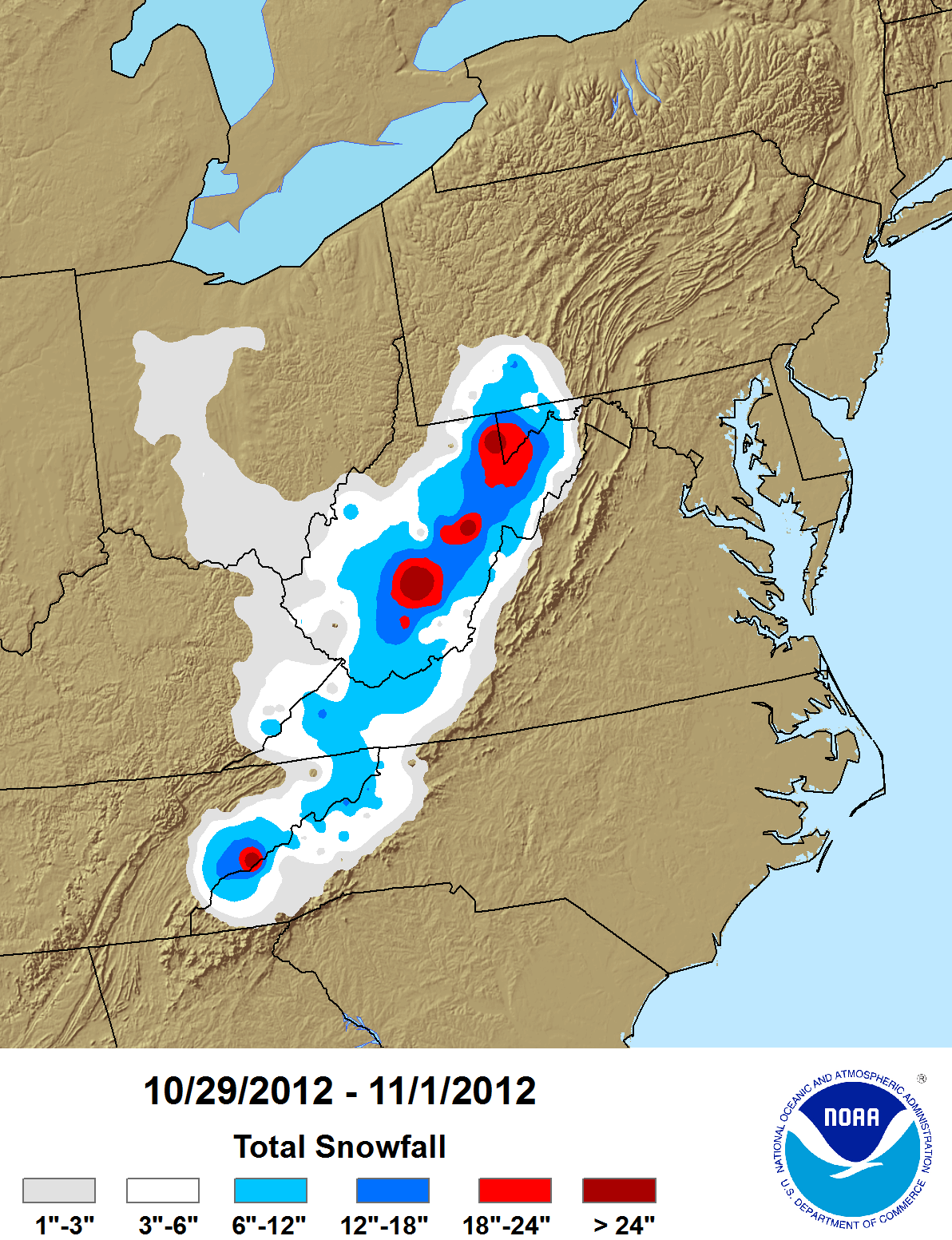
Ironically, there has even been a hurricane-induced blizzard! On October 30th, 2012, the morning after Sandy made landfall in NJ, a blizzard occurred from the mountains of western North Carolina, through West Virginia, into Southwestern PA. Tropical storm to hurricane-force winds and several feet of snow produced widespread damage across this area.
Sources:
https://en.wikipedia.org/wiki/Blizzard